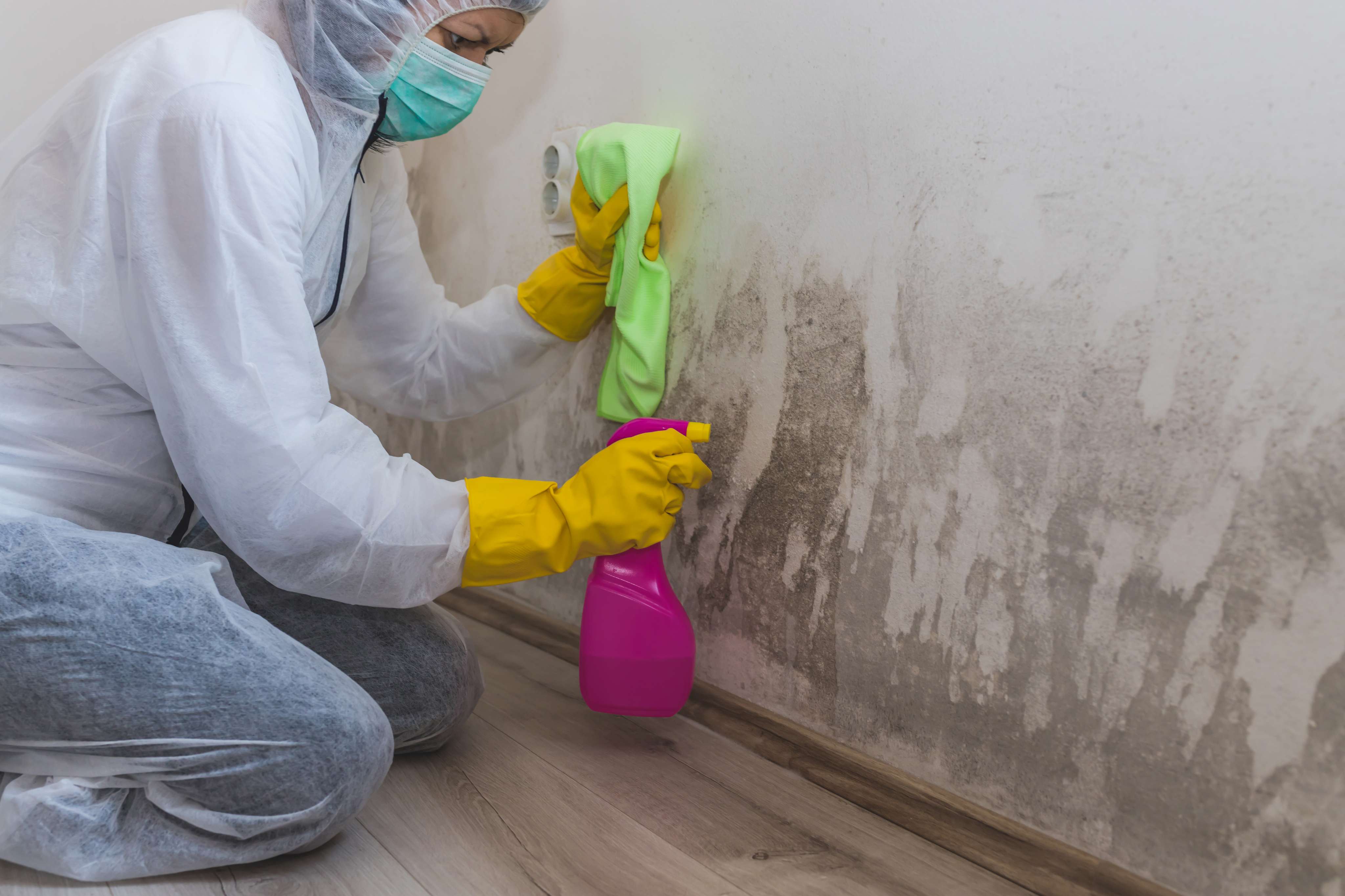
Mould can be managed through various processes, but there are some basic things that need to be checked, maintained, and managed. These include the following:
Make sure all exhaust fans work, especially in bathrooms. Not all fans are made equal, and exhausting the right amount of moisture is crucial in bathrooms.
Ensure air-conditioning (AC) units are regularly serviced and cleaned. AC units are a prime breeding ground for mould. When switched on, they can spread mould throughout the house, similar to a dusty fan blowing dust everywhere.
Check for any water leaks. Water that saturates building elements in confined spaces allows mould to grow rapidly. Wet building elements can also cause severe rot in timber structures. Getting this assessed and dried quickly can save thousands in repairs.
Dust is an ideal place for mould to grow. If the house is very dusty or dirty, consider an external house clean. Mould thrives in dust, like a mushroom growing in dirt—the more dirt, the more roots.
Trim overgrown trees or shrubs that shade the house and prevent the property from warming up. You wouldn’t hang wet laundry in the shade to dry; it dries quicker in the sun.
Check the eaves/soffits for mould. Mould on the outside of the house may be getting inside. Opening a window can let the mould contaminate internal areas.
There are many "hidden" areas in your house where mould can grow. Simply treating the obvious may not solve the problem.
If you need a free assessment and consultation, please contact us.