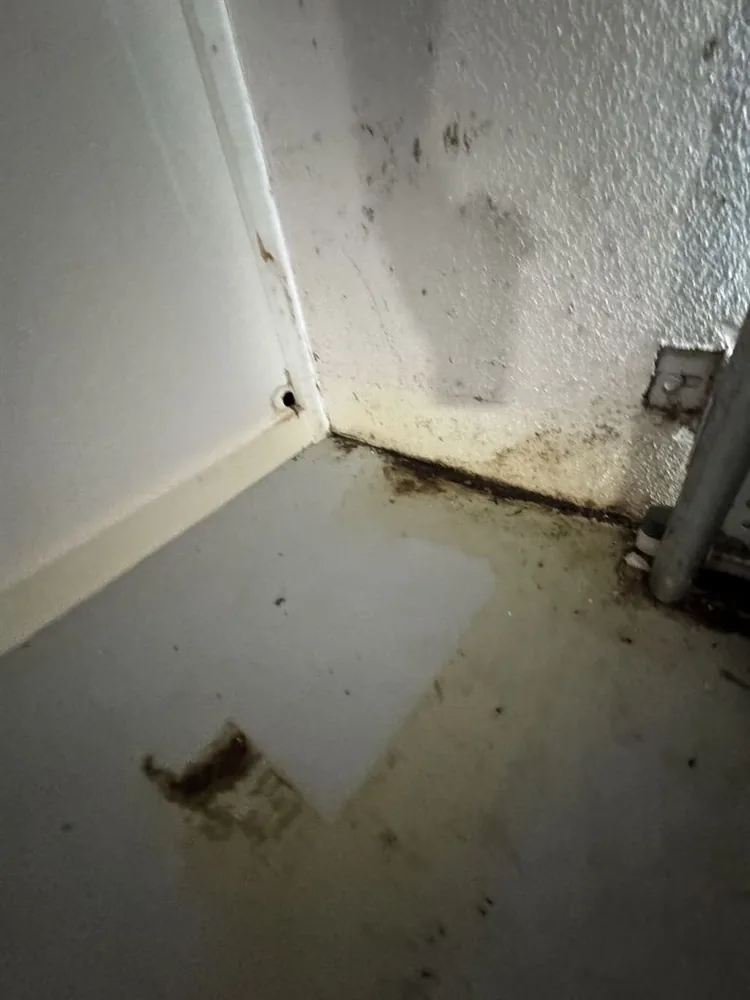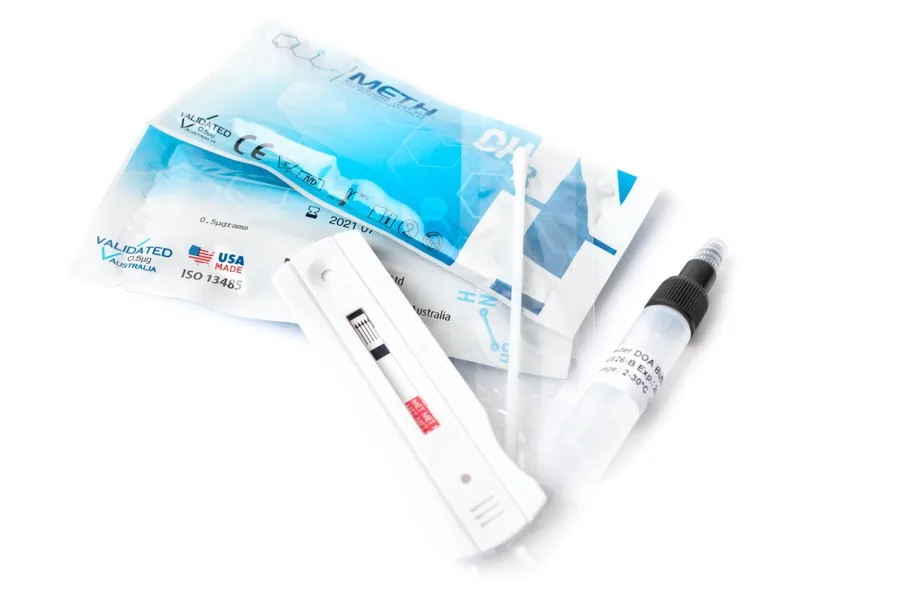

You can’t see meth residue, you can’t smell it at low levels, and a normal clean doesn’t remove it. That’s exactly why it’s a risk worth checking before you buy or move into a property whose history you can’t vouch for.
Why it lingers
Where meth has been smoked or, worse, manufactured, residue settles on walls, ceilings and furnishings and stays there for years. In former manufacturing (clan lab) properties the corrosive chemicals used can etch back through fresh paint, so a repaint hides the history — not the chemistry.
What a test tells you
Screening is a fast, on-site way to confirm whether meth is present. Where it comes back positive, a detailed assessment with accredited-laboratory analysis defines how much and where, measured against the Australian remediation guideline of 0.5 µg/100cm².
Who it protects
For a buyer, a clear result is peace of mind before the biggest purchase of your life. For a landlord or property manager, documented testing is evidence that protects you in an insurance or tenancy dispute. And any decision about whether a property is safe to occupy is a matter for the relevant health authority and qualified professionals — testing gives them a number to work from.
A test is a small cost against the price of a home. If the property has a history you can’t confirm, it’s worth knowing.
General information only — every property is different, and nothing here replaces a professional, on-site assessment.