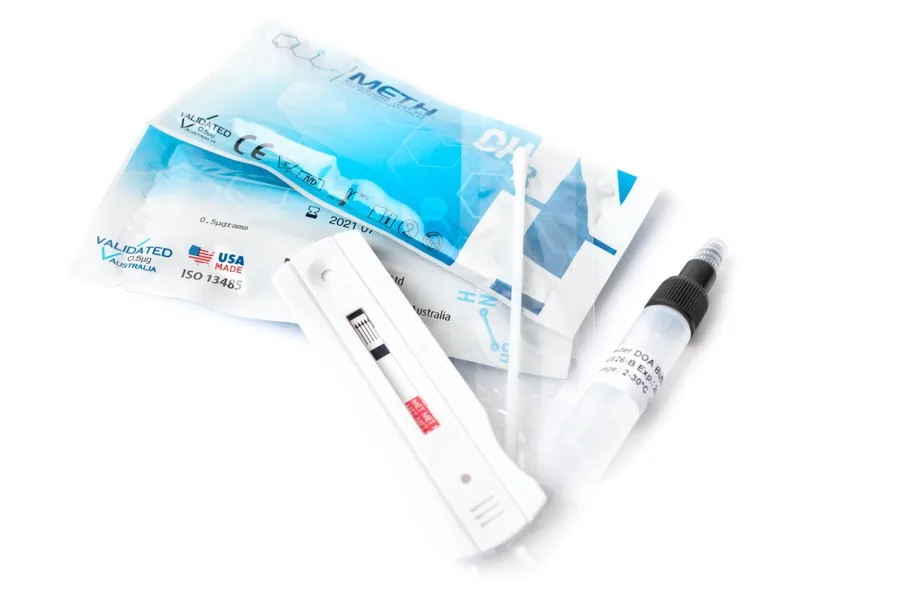
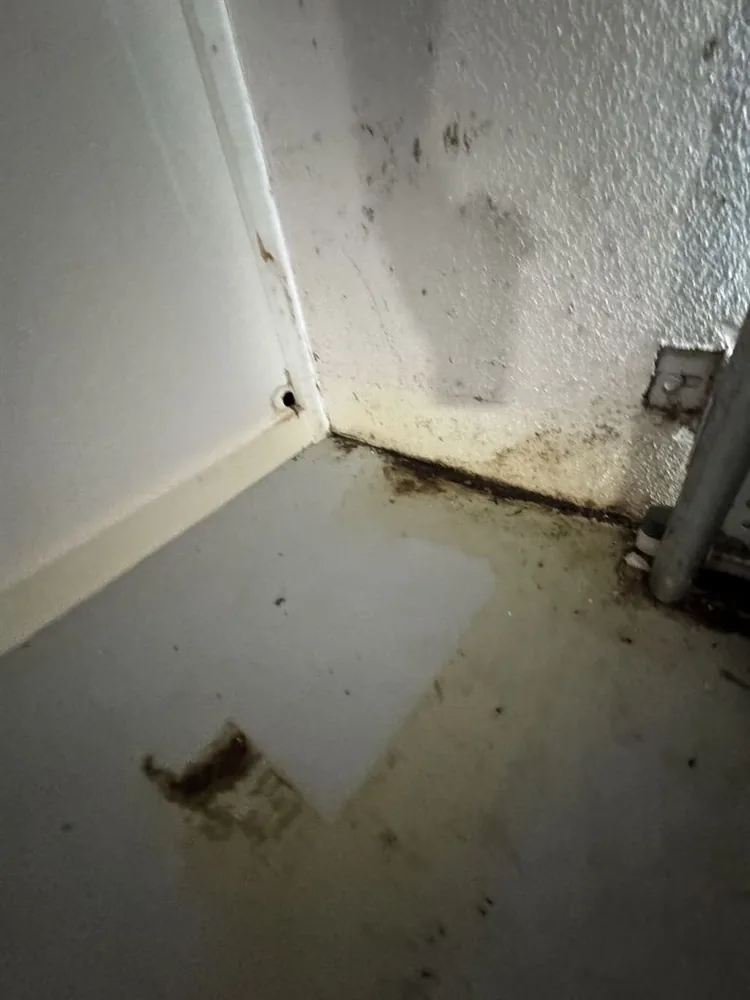
It’s a tempting shortcut: a property tests positive for meth, so someone repaints and moves on. The problem is that paint hides the history of a room — not its chemistry.
Why the residue comes back through
Meth is chemically active. It migrates back through a fresh coat instead of being sealed under it, and where meth was manufactured, the corrosive acids and solvents used etch through paint — with odours and residue lingering long after a repaint.
Wipe tests still fail
Because the residue is still there, painted walls that were above the guideline keep testing above it. And paint does nothing for the carpets, ducts and furnishings holding most of the contamination.
The only thing that works
Returning a property below the 0.5 µg/100cm² guideline means assessing and mapping the readings, removing what can’t be cleaned, specialised multi-pass decontamination, and re-testing — with independent verification where a clearance certificate is required. You can’t paint away contamination.
Related infographicWhy painting over meth doesn’t workGeneral information only — every property is different, and nothing here replaces a professional, on-site assessment.