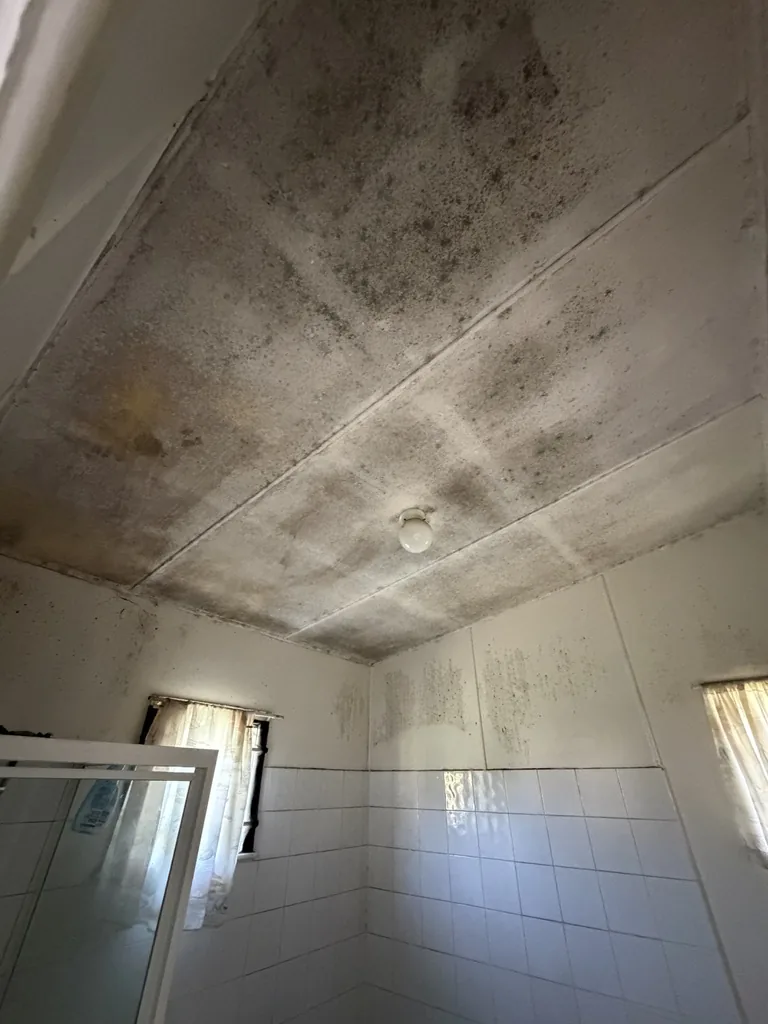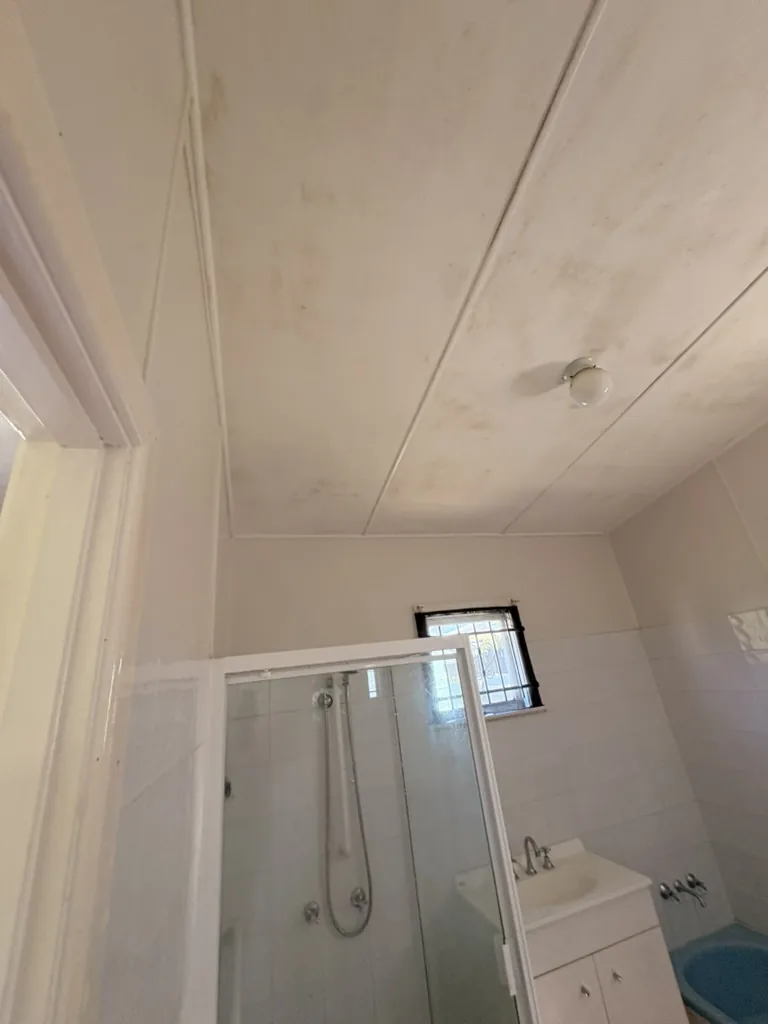
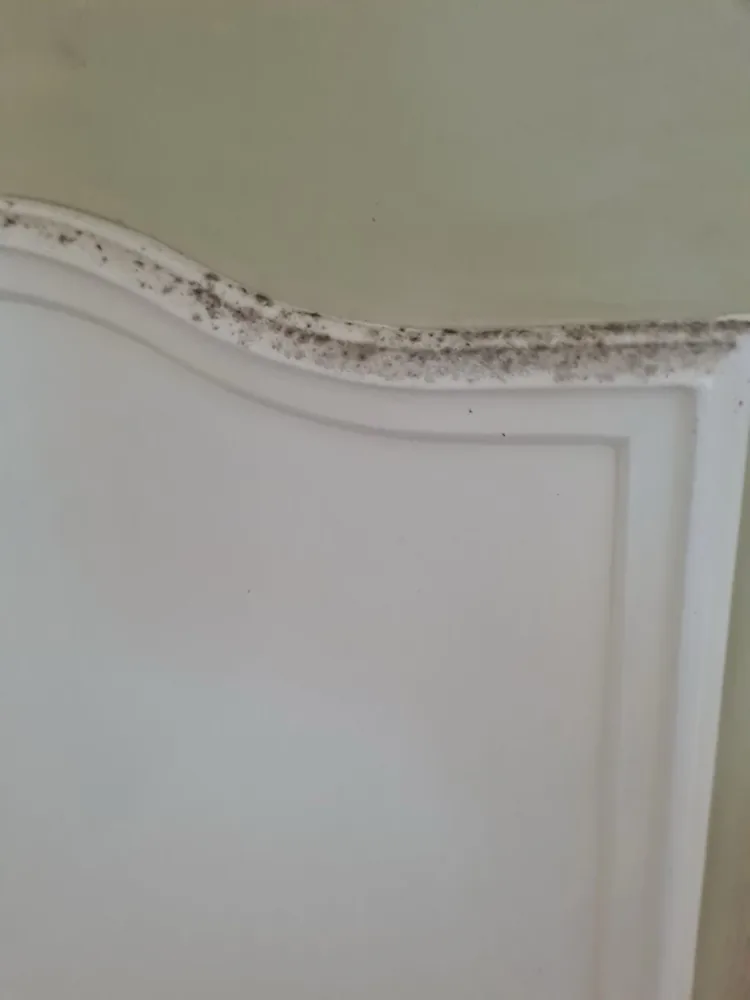
Mould is a symptom, not the disease. It only grows where there is moisture and a food source, so if it keeps reappearing in the same corner, ceiling or bathroom, something is keeping that surface damp. Spraying it away treats the symptom and leaves the cause running.
Find the moisture source
The most common culprits are a hidden leak, poor ventilation, condensation on cold surfaces, or rising damp. Until that source is identified and fixed, any treatment is temporary. This is why a proper mould job starts with a moisture investigation, not cleaning — and why we finish by setting out, in writing, what is driving the moisture and what needs to happen to keep it away.
Why “spray and pray” fails
Supermarket sprays bleach the colour out of the mould so the surface looks clean, but they don’t remove the spores from porous materials, and they do nothing about the moisture. Within weeks it’s back, often worse.
What proper remediation actually involves
Remediation to standard means containing the area so spores don’t spread, removing what can’t be salvaged, HEPA cleaning the rest, and — critically — identifying the moisture source so it can be rectified. On completion, clearance testing confirms the treated area is back to a normal fungal load. At that point the mould we treated is gone and, where testing is included, the area has been independently verified as clean.
So why does mould sometimes come back?
When mould reappears after a remediation, it is almost never the remediation that failed — the treated area was cleaned and clearance-checked. It comes back for one reason: moisture returned to the surface. When that happens, there are three things worth checking, in order.
1. Was the moisture source actually repaired? A remediation removes the mould and tells you what is feeding it — but we are not always the ones who carry out the repair. If the leaking shower, the roof penetration or the poor ventilation we identified was never fixed, the surface stays damp and mould returns to it. The treatment was sound; the cause was left running.
2. Were the recommendations followed? Every job we complete comes with clear recommendations — repair this, improve ventilation there, manage humidity this way. Where mould recurs, it very often traces straight back to recommendations that were never actioned. Nothing we apply to a surface can outlast an ongoing source of water.
3. How is the property being lived in? This is the one people least expect, and one of the most common. Everyday habits put litres of water into the air, and if that moisture has nowhere to go, it condenses on cool surfaces and mould follows — no matter how thorough the original remediation was.
The everyday habits that bring mould back
We have attended plenty of properties where the remediation was never the issue — the way the home was being used simply kept remaking the problem. The usual patterns:
- Wet laundry indoors
- Washing dried or stored inside — then the house shut up and left for a few days — releases litres of moisture into still air with nowhere to escape.
- Exhaust fans left off
- Bathrooms and laundries have fans for a reason. In the cooler months especially they often simply aren’t switched on, so every shower loads the room with steam.
- Windows kept shut
- Through winter homes get sealed up against the cold. With no ventilation, humidity climbs and settles on the coldest walls and ceilings.
- Unmanaged humidity
- Unflued heaters, indoor clothes drying and everyday living all add moisture; without airflow or a dehumidifier it has nowhere to go.
None of these are exotic. They are ordinary, and they are fixable — but they have to be managed by the people using the property. A bathroom where the fan is never run will grow mould again within a season, and that is a moisture-management problem, not a remediation one.
What a mould warranty does — and doesn’t — cover
A warranty on mould work is a warranty on the work we carried out: the affected area was remediated properly and, where clearance testing was included, verified as clean. What a warranty cannot do is guarantee that mould never returns, because that depends on the surface staying dry — and staying dry depends on the source being repaired and the property being ventilated and used sensibly.
So if mould reappears, the first job is always to work out where the moisture is coming from now. In our experience that leads back to an unrepaired source, or a change in how the property is being used, far more often than to anything in the original remediation. We are always happy to reassess — but the honest answer is usually that the water found its way back, and until that is dealt with, no treatment will hold.
The bottom line
Fix the water and the mould has nothing to grow on. Get the source repaired, act on the recommendations, run the fans and let the home breathe — do that, and a proper remediation stays put. Skip it, and no amount of treatment ever will.
General information only — every property is different, and nothing here replaces a professional, on-site assessment.